Evaporator & Condenser Coil Cleaning in Cloud Lake, Florida
Palm Beach County · Cloud Lake, Florida
Efficient heat transfer is the primary operational requirement for your air conditioning system. Your cooling unit functions by absorbing thermal energy from your indoor living spaces via the evaporator coil and subsequently releasing that heat into the outdoor environment through the condenser coil. When either of these critical components becomes coated in layers of dust, pollen, biological growth, or environmental debris, the entire cooling process faces a significant efficiency penalty. This degradation forces the compressor to operate for longer intervals and consume higher amounts of electricity, ultimately accelerating mechanical wear across the entire HVAC assembly. At Cool Air Go, we provide professional coil cleaning services tailored to the specific needs of properties throughout Cloud Lake.
The Dynamics of Evaporator and Condenser Coils
Understanding how these two coils interact with the local environment is essential for maintaining a healthy HVAC system. The indoor evaporator coil typically operates in a cold, damp state during the cooling cycle. Because the coil surface becomes saturated with condensation, it acts as a collection point for any microscopic particles that bypass your air filter. In our local climate, which experiences frequent humidity, this accumulation often matures into a dense, matted layer that physically obstructs airflow. If this blockage persists, your system may struggle to maintain the desired interior temperature, or in more severe scenarios, the evaporator coil may begin to develop ice buildup due to the restriction of heat absorption.
Conversely, the outdoor condenser coil faces a entirely different set of environmental challenges. As it is positioned externally, it is directly exposed to grass clippings, lawn debris, and various airborne particles. For properties situated throughout Cloud Lake, environmental exposure is a primary concern. The condenser coil must maintain clean, unobstructed fin passages to effectively shed heat. If the fins become matted with debris or impacted by salt-laden air particles that can encourage premature corrosion, the internal operating pressures of the system will rise significantly. This strain is frequently associated with diminished cooling output and can contribute to premature compressor failure if not managed through routine professional cleaning.
Professional Inspection and Cleaning Procedures
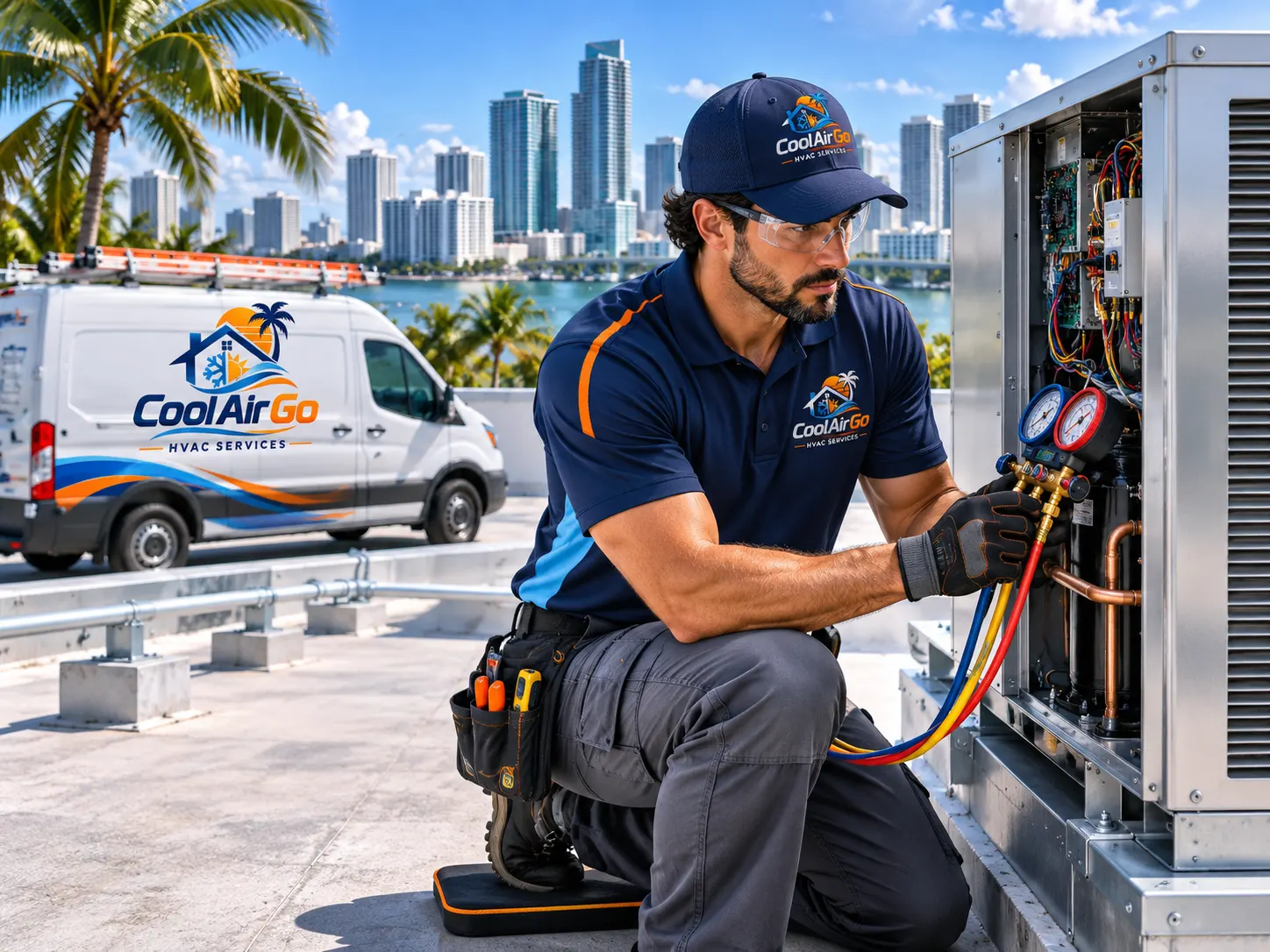
Our approach to coil care involves a structured, safety-first methodology. We begin by performing a thorough inspection of both the indoor and outdoor coil assemblies to evaluate the extent of the debris buildup and the structural integrity of the aluminum fins. During the indoor phase, we utilize cleaning agents formulated for safe use within residential air handling environments to lift away debris without damaging the delicate components. We pay close attention to the condensate drain pan, ensuring that the loosened material is properly flushed so it does not migrate into the AC Drain Line Cleaning path, which could otherwise lead to an inconvenient interior leak.
For the outdoor condenser unit, we focus on removing obstructions such as lawn clippings and grime. We perform our cleaning in a manner that favors rinsing from the internal sections of the coil outward whenever possible, which ensures that debris is extracted from the unit rather than being pushed further into the fin structure. We also incorporate careful fin straightening where we identify physical damage, as restricted airflow through bent fins can significantly hamper the heat exchange capacity of your system. If our technicians identify signs of significant corrosion or mechanical leaks that render cleaning insufficient, we will provide you with a comprehensive assessment of options through our AC Repair services to restore your system performance.
Preventive Maintenance and Long-Term Care
Homeowners play a vital role in protecting these components between our scheduled service visits. The most effective step you can take is to replace your air filters exactly on the schedule recommended by your equipment manufacturer. This simple action significantly reduces the volume of particulate matter reaching the indoor evaporator coil. Externally, maintain a clear perimeter around your condenser unit, keeping landscaping, shrubs, and mulch at a sufficient distance to prevent debris from being pulled into the fins. For those who experience recurring issues with biological growth on indoor coils, our technicians may also discuss the potential integration of UV Air Purification Systems as a secondary method to inhibit growth. Finally, consider incorporating a professional coil inspection into your seasonal AC Maintenance & Tune Ups plan to catch minor issues before they translate into reduced efficiency or costly emergency service requests.
Services and useful next steps
- AC Repair in Cloud Lake
- AC Installation & Replacement in Cloud Lake
- AC Maintenance & Tune-Ups in Cloud Lake
- Heating Repair & Installation in Cloud Lake
- Air Duct Cleaning in Cloud Lake
- Air Duct Repair & Sealing in Cloud Lake
- Air Duct Installation & Replacement in Cloud Lake
- Indoor Air Quality Solutions in Cloud Lake
- Air Purification & Filtration in Cloud Lake
- UV Air Purification Systems in Cloud Lake
- Thermostat Installation & Replacement in Cloud Lake
- Commercial HVAC Services in Cloud Lake
- HVAC Inspections & Diagnostics in Cloud Lake
- AC Drain Line Cleaning in Cloud Lake
- Evaporator & Condenser Coil Cleaning in Cloud Lake
- Emergency AC Repair — service overview; ask us about local availability
- Ductless Mini-Split Services — service overview; ask us about local availability
- Heat Pump Services — service overview; ask us about local availability
Local questions
How often should I have my AC coils cleaned?
We recommend a professional inspection of your coils during every routine maintenance visit. If you notice signs like weakened airflow, higher energy bills, or ice formation, your coils may require more frequent attention.
Can I clean my outdoor condenser coil with a pressure washer?
We strongly advise against using a pressure washer on AC coils. The high-pressure stream can easily collapse or bend the delicate aluminum fins, which results in permanent, irreversible airflow restrictions.
What causes my indoor evaporator coil to freeze up?
A frozen evaporator coil is typically caused by insufficient airflow, which can be the result of a dirty air filter, a heavily soiled coil, or restricted ductwork. It can also indicate low refrigerant levels, which requires a professional diagnostic check.
Other reviewed locations
Acacia Villas · Atlantis · Boca Raton · Briny Breezes · West Palm Beach
Request service in Cloud Lake
Call (754) 294-8274 or send a service request. Requests are not confirmed appointments.
Geographic references
Municipal references support location facts, not business endorsements or proof of completed work.