Evaporator & Condenser Coil Cleaning for Miami Homes
Miami-Dade County · Miami, Florida
Maintaining your air conditioning system is a critical task for any homeowner in the City of Miami. Because Miami is a distinct municipality within the larger Miami-Dade County [https://www.miamidade.gov/global/management/municipalities.page], property owners face unique environmental factors that can impact HVAC longevity. Your air conditioner functions by moving heat from inside your living spaces to the outdoors. The indoor evaporator coil absorbs heat while the outdoor condenser coil releases it into the air. When these components become coated with dust, pollen, grime, or salt residue, the efficiency of your system drops significantly, forcing the motor to work harder and increasing the likelihood of mechanical strain.
Understanding Coil Impact in Miami Environments
The indoor evaporator coil operates in a damp state during cooling cycles. Because it is cold and wet, any dust that bypasses your air filter adheres to the damp fins, eventually forming a thick, insulating mat. In the high-humidity environment characteristic of our local climate, this buildup can also foster biological growth, which restricts airflow and reduces the system's ability to cool your home effectively. If this buildup remains unaddressed, it may eventually lead to a frozen coil, causing further damage to the air handler and potentially flooding the surrounding interior area.
Meanwhile, the outdoor condenser coil faces different, equally challenging obstacles. Positioned outside the home, it is frequently exposed to lawn clippings, wind-blown leaves, pollen, and dirt. For residents living closer to Biscayne Bay or the Atlantic coast, the presence of salt air in the atmosphere can accelerate the corrosion of the aluminum and copper fins. A dirty condenser coil cannot shed heat efficiently, which raises operating pressures within the system and puts unnecessary stress on the compressor, the most expensive component in your HVAC unit.
Recognizing Signs of Dirty Coils
Identifying when your coils require professional attention can prevent more serious equipment failures. If you notice weak airflow coming from your vents despite having installed a clean, fresh filter, the issue often lies with the evaporator coil. Other warning signs include the system running for significantly longer periods to reach the desired temperature on your thermostat, or the visible formation of ice on the indoor coil or the refrigerant lines connecting your units. Outside, if you observe that the condenser fins appear visibly matted with dirt or debris, or if you detect a musty odor when the system kicks on, it is time to consider a thorough cleaning service.
Our Professional Cleaning Process
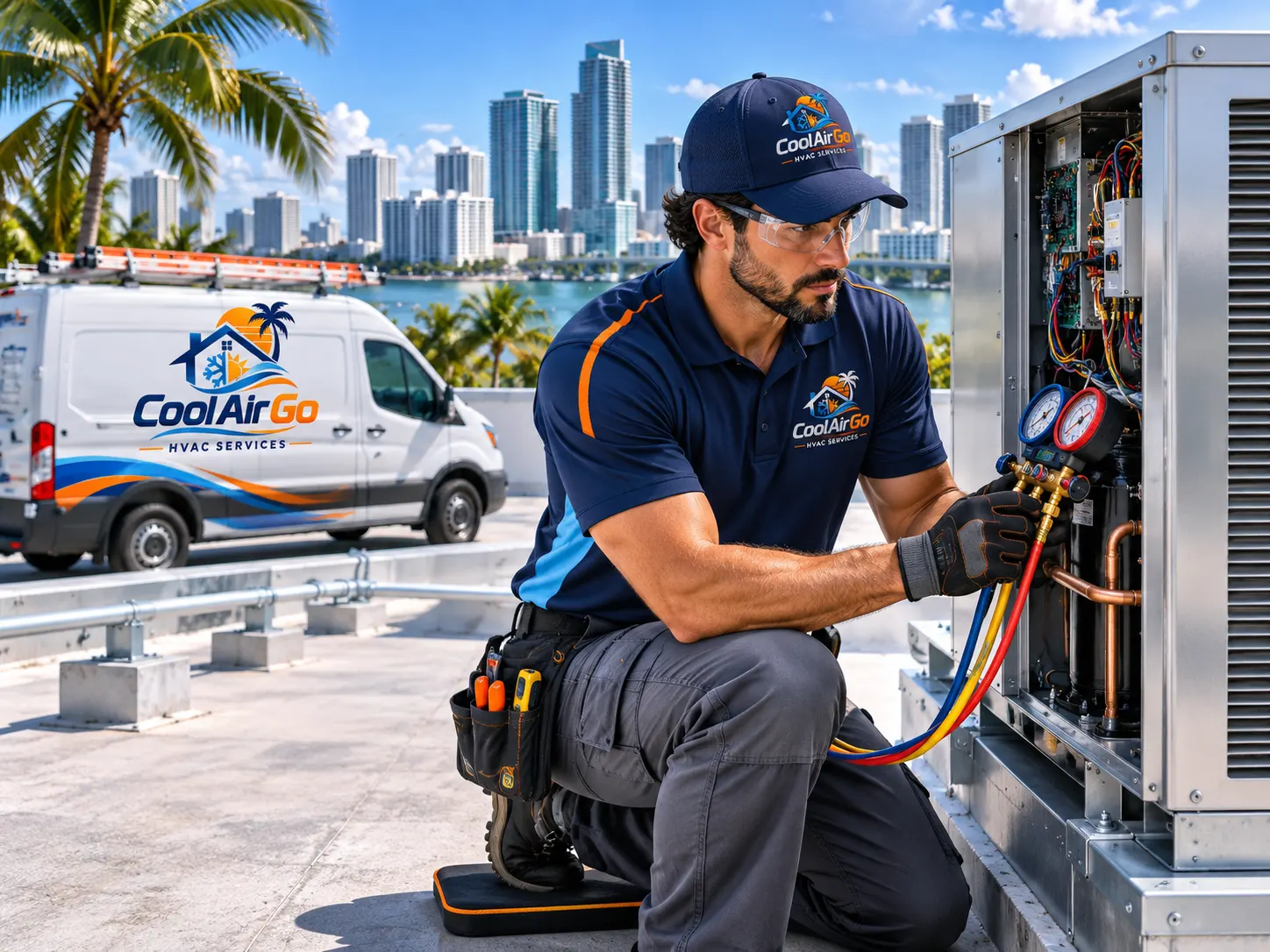
When we service an occupied property, our approach is methodical and focused on long-term performance. We begin with a comprehensive inspection of both coil sets to check for deep-seated buildup, damaged fins, and signs of corrosion. We take care to protect nearby electrical components during the process. For the outdoor unit, we remove debris and use specialized coil cleaners, followed by a careful rinse. We typically rinse from the inside out to ensure that the loosened dirt is pushed away from the fins rather than deeper into the unit. For the indoor evaporator coil, we utilize products designed specifically for indoor use, ensuring the drain pan is thoroughly cleared to prevent clogs that could eventually impact your ac-drain-line-cleaning needs. Finally, if the fins have been bent by physical impact or debris, we carefully comb them straight to restore proper airflow, followed by a full system verification to ensure your AC is operating at peak performance.
Preventive Strategy for Coastal Residents
If you reside in a home close to the coastline, implementing a regular rinsing schedule can help prevent the rapid buildup of salt deposits. Beyond routine ac-maintenance, you should maintain a clearance of at least two feet around your outdoor condenser to ensure adequate ventilation. Avoid blowing grass clippings toward the unit while landscaping, as this is a primary source of condenser fouling. For families concerned about indoor air quality or recurring biological growth on the evaporator coil, we often discuss the potential benefits of uv-air-purification as a proactive measure to keep those surfaces clean for longer periods. If our technicians find that the coils are badly corroded or leaking, we will provide an assessment of your options for ac-repair to ensure you remain comfortable throughout the changing seasons.
Services and useful next steps
- AC Repair in Miami
- AC Installation & Replacement in Miami
- AC Maintenance & Tune-Ups in Miami
- Emergency AC Repair in Miami
- Ductless Mini-Split Services in Miami
- Heat Pump Services in Miami
- Heating Repair & Installation in Miami
- Air Duct Cleaning in Miami
- Air Duct Repair & Sealing in Miami
- Air Duct Installation & Replacement in Miami
- Indoor Air Quality Solutions in Miami
- Air Purification & Filtration in Miami
- UV Air Purification Systems in Miami
- Thermostat Installation & Replacement in Miami
- Commercial HVAC Services in Miami
- HVAC Inspections & Diagnostics in Miami
- AC Drain Line Cleaning in Miami
- Evaporator & Condenser Coil Cleaning in Miami
Local questions
How often should I have my AC coils cleaned?
While the frequency depends on your specific environment and usage, most experts recommend an inspection at least once per year as part of a routine maintenance visit to catch buildup before it causes efficiency loss.
Can I clean the AC coils myself with a garden hose?
We recommend avoiding DIY cleaning for AC coils. Improper pressure or the use of incorrect cleaners can permanently bend the delicate fins or damage sensitive electrical components, leading to expensive repairs.
Does a dirty coil cause high energy bills?
Yes. When coils are dirty, the heat exchange process is inefficient. This forces your air conditioner to run significantly longer to achieve the same cooling result, which directly contributes to higher monthly electricity usage.
Other reviewed locations
Aventura · Bal Harbour · Bay Harbor Islands · Biscayne Gardens · Biscayne Park · Brownsville · Coral Gables · Coral Terrace
Request service in Miami
Call (754) 294-8274 or send a service request. Requests are not confirmed appointments.
Geographic references
- Miami-Dade County official municipalities
- U.S. Census Bureau TIGERweb geographic place data
- U.S. Census county boundary data
Municipal references support location facts, not business endorsements or proof of completed work.